Deprecated: Creation of dynamic property Yoast\WP\SEO\Presentations\Indexable_Term_Archive_Presentation::$robots is deprecated in /home/wildbody/public_html/wearewildness.com/wp-content/plugins/wordpress-seo/src/presentations/abstract-presentation.php on line 64
Deprecated: Creation of dynamic property Yoast\WP\SEO\Presentations\Indexable_Term_Archive_Presentation::$permalink is deprecated in /home/wildbody/public_html/wearewildness.com/wp-content/plugins/wordpress-seo/src/presentations/abstract-presentation.php on line 64
Deprecated: Creation of dynamic property Yoast\WP\SEO\Presentations\Indexable_Term_Archive_Presentation::$canonical is deprecated in /home/wildbody/public_html/wearewildness.com/wp-content/plugins/wordpress-seo/src/presentations/abstract-presentation.php on line 64
Deprecated: Creation of dynamic property Yoast\WP\SEO\Surfaces\Values\Meta::$canonical is deprecated in /home/wildbody/public_html/wearewildness.com/wp-content/plugins/wordpress-seo/src/surfaces/values/meta.php on line 202
https://wearewildness.com/tag/archived/
Deprecated: Creation of dynamic property WP_Term::$cat_ID is deprecated in /home/wildbody/public_html/wearewildness.com/wp-includes/category.php on line 378
Deprecated: Creation of dynamic property WP_Term::$category_count is deprecated in /home/wildbody/public_html/wearewildness.com/wp-includes/category.php on line 379
Deprecated: Creation of dynamic property WP_Term::$category_description is deprecated in /home/wildbody/public_html/wearewildness.com/wp-includes/category.php on line 380
Deprecated: Creation of dynamic property WP_Term::$cat_name is deprecated in /home/wildbody/public_html/wearewildness.com/wp-includes/category.php on line 381
Deprecated: Creation of dynamic property WP_Term::$category_nicename is deprecated in /home/wildbody/public_html/wearewildness.com/wp-includes/category.php on line 382
Deprecated: Creation of dynamic property WP_Term::$category_parent is deprecated in /home/wildbody/public_html/wearewildness.com/wp-includes/category.php on line 383
The post Reclaim Wildness and Remember Your Roots appeared first on We Are Wildness.
]]>

When I remember to notice said life and abundance and beauty and astonishment, anyway. It’s all too easy to focus only on problems or hard tasks I don’t really want or know how to do: from the little discontents that pepper a human day to huge issues like climate disruption, racism, and pandemics. We humans have a knack for focusing really well on what isn’t going well. Even the optimists, I think. Even the people who see the glass as half full, and say, “hey at least I have a glass” aren’t immune to letting a low point dictate the day’s trajectory. Usually, I’m one of those gratitude-practicing women who likes to support others in figuring out how to notice the good in a day. But I still struggle with wishing I were somewhere other than my desk (or the car, or the store, or engaged in some other undesirable errand). All too often I get thinking about how much I dislike a certain way I have to do a task or hope the internet goes down because all I want to do is put my head on my keyboard. During the strange days of distance learning this past school year, even my 8-year-old got caught up in lamenting all that wasn’t ideal about spending so much time on digital tasks.
Fortunately, there’s a remedy for this state, and for me and my family, it involves going outside: To the garden to witness the growth that abounds or to the woods to breathe in cool mossy air or to the shores of a nearby lake to listen as frogs sing to each other from under the lily pads. We’re fortunate to have access to wild beauty just outside the door, but even when I still lived and worked in the depths of the city, going out to the backyard or stepping into natural light during the workday meant the difference between going to bed in a foul mood or turning in feeling connected to something bigger than myself.

As we move through the rest of 2020 amidst the unknowns and challenges that come with navigating a pandemic, rampant white supremacy, and continued ecological destruction, I remind myself that there is much life and abundance and beauty and breath-catching astonishment right outside the door. Even in the middle of the biggest city on earth, all I have to do is look up to the sky to reclaim the wildness that invites me to remember my roots. Even if it has to be through a window right before getting back to the work at hand. Thoreau put it well when he said, “In wildness is the preservation of the world.”
This post is a modified excerpt from 12 Tiny Things: Simple Ways to Live a More Intentional Life is now available for pre-order at www.12tinythings.com Join authors Heidi Barr and Ellie Roscher at @12TinyThings (instagram and Facebook), where they foster community around self-awareness and the cultivation of intentional practices that lead to living well as a responsible citizen of planet Earth.
The post Reclaim Wildness and Remember Your Roots appeared first on We Are Wildness.
]]>Deprecated: Creation of dynamic property WP_Term::$cat_ID is deprecated in /home/wildbody/public_html/wearewildness.com/wp-includes/category.php on line 378
Deprecated: Creation of dynamic property WP_Term::$category_count is deprecated in /home/wildbody/public_html/wearewildness.com/wp-includes/category.php on line 379
Deprecated: Creation of dynamic property WP_Term::$category_description is deprecated in /home/wildbody/public_html/wearewildness.com/wp-includes/category.php on line 380
Deprecated: Creation of dynamic property WP_Term::$cat_name is deprecated in /home/wildbody/public_html/wearewildness.com/wp-includes/category.php on line 381
Deprecated: Creation of dynamic property WP_Term::$category_nicename is deprecated in /home/wildbody/public_html/wearewildness.com/wp-includes/category.php on line 382
Deprecated: Creation of dynamic property WP_Term::$category_parent is deprecated in /home/wildbody/public_html/wearewildness.com/wp-includes/category.php on line 383
Deprecated: Creation of dynamic property WP_Term::$cat_ID is deprecated in /home/wildbody/public_html/wearewildness.com/wp-includes/category.php on line 378
Deprecated: Creation of dynamic property WP_Term::$category_count is deprecated in /home/wildbody/public_html/wearewildness.com/wp-includes/category.php on line 379
Deprecated: Creation of dynamic property WP_Term::$category_description is deprecated in /home/wildbody/public_html/wearewildness.com/wp-includes/category.php on line 380
Deprecated: Creation of dynamic property WP_Term::$cat_name is deprecated in /home/wildbody/public_html/wearewildness.com/wp-includes/category.php on line 381
Deprecated: Creation of dynamic property WP_Term::$category_nicename is deprecated in /home/wildbody/public_html/wearewildness.com/wp-includes/category.php on line 382
Deprecated: Creation of dynamic property WP_Term::$category_parent is deprecated in /home/wildbody/public_html/wearewildness.com/wp-includes/category.php on line 383
The post Cured By Flowers appeared first on We Are Wildness.
]]>Deprecated: Creation of dynamic property WP_Block::$attributes is deprecated in /home/wildbody/public_html/wearewildness.com/wp-includes/class-wp-block.php on line 179
Deprecated: Creation of dynamic property WP_Block::$attributes is deprecated in /home/wildbody/public_html/wearewildness.com/wp-includes/class-wp-block.php on line 179
Deprecated: Creation of dynamic property WP_Block::$attributes is deprecated in /home/wildbody/public_html/wearewildness.com/wp-includes/class-wp-block.php on line 179
Deprecated: Creation of dynamic property WP_Block::$attributes is deprecated in /home/wildbody/public_html/wearewildness.com/wp-includes/class-wp-block.php on line 179
Deprecated: Creation of dynamic property WP_Block::$attributes is deprecated in /home/wildbody/public_html/wearewildness.com/wp-includes/class-wp-block.php on line 179
Deprecated: Creation of dynamic property WP_Block::$attributes is deprecated in /home/wildbody/public_html/wearewildness.com/wp-includes/class-wp-block.php on line 179
Deprecated: Creation of dynamic property WP_Block::$attributes is deprecated in /home/wildbody/public_html/wearewildness.com/wp-includes/class-wp-block.php on line 179
Deprecated: Creation of dynamic property WP_Block::$attributes is deprecated in /home/wildbody/public_html/wearewildness.com/wp-includes/class-wp-block.php on line 179
Deprecated: Creation of dynamic property WP_Block::$attributes is deprecated in /home/wildbody/public_html/wearewildness.com/wp-includes/class-wp-block.php on line 179
Deprecated: Creation of dynamic property WP_Block::$attributes is deprecated in /home/wildbody/public_html/wearewildness.com/wp-includes/class-wp-block.php on line 179


It’s easy to forget what the earth can offer when it comes to navigating challenging situations: from physical cures in the form of a tincture to emotional respite that might come from noticing the beauty in

Sharman Apt Russell writes, in a book titled The Anatomy of a Rose, about her feelings of embarrassment when spending time naked in some hot springs, and she’s certainly not alone in that. I would have a hard time, too, as she did, standing naked outside and drinking in the healing properties of nature, instead of being preoccupied with how my body looked or felt in its exposed state. It’s more comfortable to stay covered up, even when there’s no one else around. It’s easier to skim the surface than to go deep enough to let the healing of something like a flower do its work in us.


It wasn’t been easy to navigate this time of upheaval, and in fact, it often felt like standing naked outside on a sunny day. Losing something central to modern life – like a job – made me feel exposed and vulnerable. But it also made me realize that it’s possible to heal from such an event and that wildness and nature and learning to lean into the ashes of what has burned away have a place in the journey.

As Russell writes, “We may need to be cured by flowers. We may need to strip naked and let the petals fall on our shoulders, down our bellies, against our thighs. We may need to walk naked through beauty. […] We may need to feel

No life situation is permanent. Losing a job that felt really secure was unsettling, and it continually reminds me that there are no guarantees in life. Things can change in a blink of an eye, and we can’t ever know what might being coming next. But we can learn to pay attention to what serves us and prioritize those things, and we can use each hardship to build the resilience we need for whatever challenges lie ahead. And the meaning that we find outside of our day jobs? That’s what sticks around. That has staying power, even while the circumstances of life change.

What does come next? I can’t know. But there is always a choice in how the story unfolds, even if it is only found in how I respond to something completely outside of my control. And wildness? That always has a place in the unfolding of the story.
This is an excerpt from What Comes Next: Between Beauty and Destruction. Available March 26 wherever books are sold. To learn more visit Homebound Publications.
The post Cured By Flowers appeared first on We Are Wildness.
]]>Deprecated: Creation of dynamic property WP_Term::$cat_ID is deprecated in /home/wildbody/public_html/wearewildness.com/wp-includes/category.php on line 378
Deprecated: Creation of dynamic property WP_Term::$category_count is deprecated in /home/wildbody/public_html/wearewildness.com/wp-includes/category.php on line 379
Deprecated: Creation of dynamic property WP_Term::$category_description is deprecated in /home/wildbody/public_html/wearewildness.com/wp-includes/category.php on line 380
Deprecated: Creation of dynamic property WP_Term::$cat_name is deprecated in /home/wildbody/public_html/wearewildness.com/wp-includes/category.php on line 381
Deprecated: Creation of dynamic property WP_Term::$category_nicename is deprecated in /home/wildbody/public_html/wearewildness.com/wp-includes/category.php on line 382
Deprecated: Creation of dynamic property WP_Term::$category_parent is deprecated in /home/wildbody/public_html/wearewildness.com/wp-includes/category.php on line 383
Deprecated: Creation of dynamic property WP_Term::$cat_ID is deprecated in /home/wildbody/public_html/wearewildness.com/wp-includes/category.php on line 378
Deprecated: Creation of dynamic property WP_Term::$category_count is deprecated in /home/wildbody/public_html/wearewildness.com/wp-includes/category.php on line 379
Deprecated: Creation of dynamic property WP_Term::$category_description is deprecated in /home/wildbody/public_html/wearewildness.com/wp-includes/category.php on line 380
Deprecated: Creation of dynamic property WP_Term::$cat_name is deprecated in /home/wildbody/public_html/wearewildness.com/wp-includes/category.php on line 381
Deprecated: Creation of dynamic property WP_Term::$category_nicename is deprecated in /home/wildbody/public_html/wearewildness.com/wp-includes/category.php on line 382
Deprecated: Creation of dynamic property WP_Term::$category_parent is deprecated in /home/wildbody/public_html/wearewildness.com/wp-includes/category.php on line 383
The post There is No Such Thing as a Weed appeared first on We Are Wildness.
]]>I could so easily have been lonely but instead found such richness and pleasure in the dragonflies and sticklebacks, swallows and natterjacks that every day spent in Nature was like a new adventure for me. This love and closeness to Nature has never left me. It still fills my life and has formed the basis of my work with others, which is sharing the wonders of the natural world and ways to deepen our connections to it.

There is no such thing as a weed!
I was shown very early on that there was no such thing as a weed; just human ignorance of their presence and purpose. Over time I came to define Nature’s Garden as basically falling into four categories:
1. very human friendly
2. human friendly when available
3. useable if necessary
4. poisonous to humans

Very human-friendly
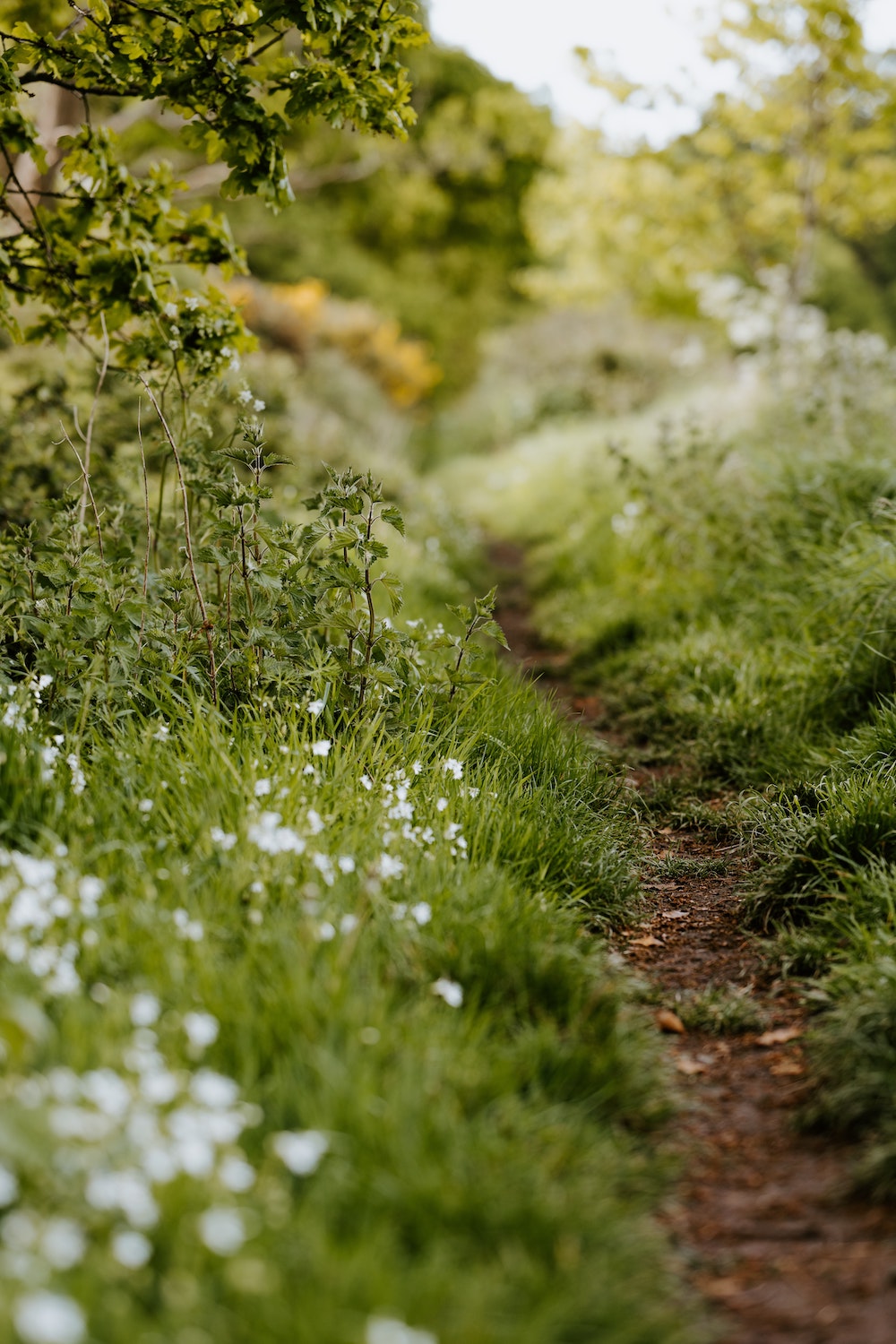
In the ‘very human-friendly’ category are some common plants like nettles and dandelions. The ‘very human-friendly’ category is common in almost every part of the world and most often these are the plants that are called ‘weeds’. How ignorant some people are of the common weed! They are in fact master healers, termed common simply because they are so abundant and potentially helpful to us and yet for the most part many humans choose to neither eat them or make tonics from them but instead do all they can to destroy them! Dandelions are excellent for the digestive system, kidneys and liver. Nettles cleanse the blood. Other common ‘weeds’ are equally as valuable such as mallow, plantain and bramble. Right beside us growing along our human pathways are some very helpful plant allies; beneath our feet are amazing healthful friends, making themselves available to us whenever we wish.

Human-friendly when available
In the ‘human-friendly when available’ category I place the seasonal varieties of fruits, berries, herbs, leaves and flowers such as sweet violets, lime flowers, meadowsweet and various nuts. Traveling through the year, a Wild Walker comes to understand that each season has specific plants available; each habitat also. In the desert, for example, we find plants adapted to drought and scorching heat like Aloe Vera, which is commonly used for burns and ‘hot’ conditions like inflammation. I sometimes take notes so that I can remember, for example, where I discovered a sweet chestnut or a field maple – so that I can return there later in the year should I need to.

Useable if necessary
In the ‘useable if necessary’ category I include varieties either because they are only found in rarer habitats or they have contra-indications of some kind, such as guelder rose – used by our ancestors for coughs and cramps. The berries should not be eaten raw, nor should this plant be used by pregnant women or anyone with low blood pressure, as it is a muscle relaxant. It also has a strange, lingering aftertaste to it. There are other plants more commonly found for coughs, like honeysuckle, that are much more human-friendly and also taste more palatable, but one should only ever use its flowers and leaves; the berries are poisonous!

Poisonous to humans
The ‘poisonous to humans’ category is self-explanatory, and should never be underestimated when harvesting things from the wild! There are several species that can kill a human in minutes such as Hemlock Water Dropwort. Many others can be fatal too, especially from the fungi family and others such as Deadly Nightshade also known as Belladonna (beautiful lady). It was named this because it dilated the eyes of those that took it, but is actually highly toxic and not in common use today. The wild world needs to be treated with a great deal of respect because in it is things that can “kill as well as cure”! The wild is a wonderful, magical, abundant vibrant garden when one has the right knowledge and understanding of it, but self education is an absolute necessity before going out a-gathering.
Nature’s garden
Wild walking through the seasons, in an ancient woodland or along a winding track, or following a river or valley, one will always find something that is an herb or spice, a medicinal flower or edible leaf. In the Northern hemisphere spring and autumn are the most abundant and winter the least but there are still things available – especially from the trees. From smudge sticks to massage oils, to super greens and floral syrups, Mother Nature is a beautifully crafted gift of creation – for me there is no doubt she is our Garden of Eden.
The post There is No Such Thing as a Weed appeared first on We Are Wildness.
]]>