Deprecated: Creation of dynamic property Yoast\WP\SEO\Context\Meta_Tags_Context::$page_type is deprecated in /home/wildbody/public_html/wearewildness.com/wp-content/plugins/wordpress-seo/src/presentations/abstract-presentation.php on line 43
Deprecated: Creation of dynamic property Yoast\WP\SEO\Presentations\Indexable_Static_Home_Page_Presentation::$robots is deprecated in /home/wildbody/public_html/wearewildness.com/wp-content/plugins/wordpress-seo/src/presentations/abstract-presentation.php on line 64
Deprecated: Creation of dynamic property Yoast\WP\SEO\Presentations\Indexable_Static_Home_Page_Presentation::$permalink is deprecated in /home/wildbody/public_html/wearewildness.com/wp-content/plugins/wordpress-seo/src/presentations/abstract-presentation.php on line 64
Deprecated: Creation of dynamic property Yoast\WP\SEO\Presentations\Indexable_Static_Home_Page_Presentation::$canonical is deprecated in /home/wildbody/public_html/wearewildness.com/wp-content/plugins/wordpress-seo/src/presentations/abstract-presentation.php on line 64
Deprecated: Creation of dynamic property Yoast\WP\SEO\Surfaces\Values\Meta::$canonical is deprecated in /home/wildbody/public_html/wearewildness.com/wp-content/plugins/wordpress-seo/src/surfaces/values/meta.php on line 202
https://wearewildness.com/
Deprecated: Creation of dynamic property WP_Term::$cat_ID is deprecated in /home/wildbody/public_html/wearewildness.com/wp-includes/category.php on line 378
Deprecated: Creation of dynamic property WP_Term::$category_count is deprecated in /home/wildbody/public_html/wearewildness.com/wp-includes/category.php on line 379
Deprecated: Creation of dynamic property WP_Term::$category_description is deprecated in /home/wildbody/public_html/wearewildness.com/wp-includes/category.php on line 380
Deprecated: Creation of dynamic property WP_Term::$cat_name is deprecated in /home/wildbody/public_html/wearewildness.com/wp-includes/category.php on line 381
Deprecated: Creation of dynamic property WP_Term::$category_nicename is deprecated in /home/wildbody/public_html/wearewildness.com/wp-includes/category.php on line 382
Deprecated: Creation of dynamic property WP_Term::$category_parent is deprecated in /home/wildbody/public_html/wearewildness.com/wp-includes/category.php on line 383
The post Reclaim Wildness and Remember Your Roots appeared first on We Are Wildness.
]]>

When I remember to notice said life and abundance and beauty and astonishment, anyway. It’s all too easy to focus only on problems or hard tasks I don’t really want or know how to do: from the little discontents that pepper a human day to huge issues like climate disruption, racism, and pandemics. We humans have a knack for focusing really well on what isn’t going well. Even the optimists, I think. Even the people who see the glass as half full, and say, “hey at least I have a glass” aren’t immune to letting a low point dictate the day’s trajectory. Usually, I’m one of those gratitude-practicing women who likes to support others in figuring out how to notice the good in a day. But I still struggle with wishing I were somewhere other than my desk (or the car, or the store, or engaged in some other undesirable errand). All too often I get thinking about how much I dislike a certain way I have to do a task or hope the internet goes down because all I want to do is put my head on my keyboard. During the strange days of distance learning this past school year, even my 8-year-old got caught up in lamenting all that wasn’t ideal about spending so much time on digital tasks.
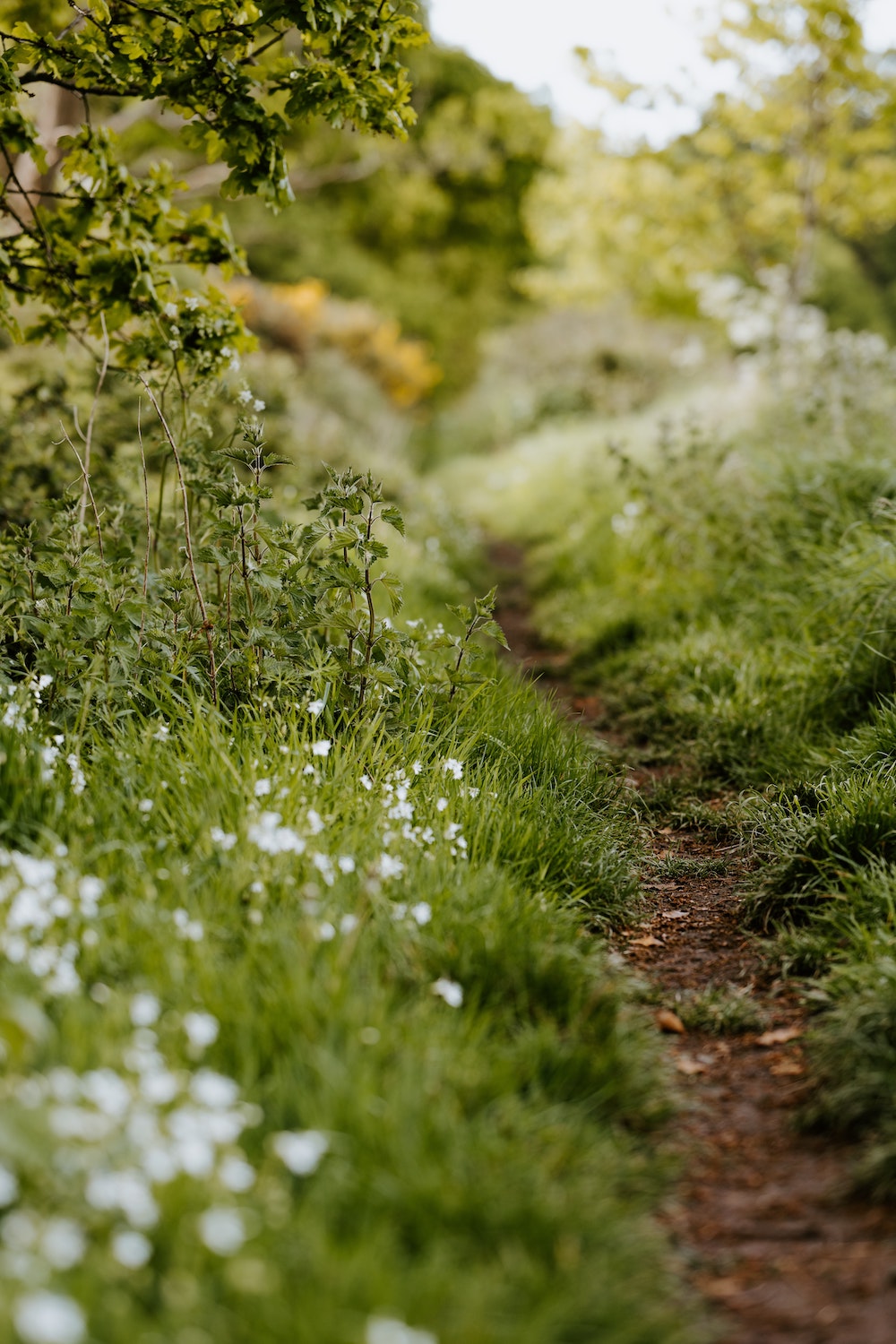
Fortunately, there’s a remedy for this state, and for me and my family, it involves going outside: To the garden to witness the growth that abounds or to the woods to breathe in cool mossy air or to the shores of a nearby lake to listen as frogs sing to each other from under the lily pads. We’re fortunate to have access to wild beauty just outside the door, but even when I still lived and worked in the depths of the city, going out to the backyard or stepping into natural light during the workday meant the difference between going to bed in a foul mood or turning in feeling connected to something bigger than myself.

As we move through the rest of 2020 amidst the unknowns and challenges that come with navigating a pandemic, rampant white supremacy, and continued ecological destruction, I remind myself that there is much life and abundance and beauty and breath-catching astonishment right outside the door. Even in the middle of the biggest city on earth, all I have to do is look up to the sky to reclaim the wildness that invites me to remember my roots. Even if it has to be through a window right before getting back to the work at hand. Thoreau put it well when he said, “In wildness is the preservation of the world.”
This post is a modified excerpt from 12 Tiny Things: Simple Ways to Live a More Intentional Life is now available for pre-order at www.12tinythings.com Join authors Heidi Barr and Ellie Roscher at @12TinyThings (instagram and Facebook), where they foster community around self-awareness and the cultivation of intentional practices that lead to living well as a responsible citizen of planet Earth.
The post Reclaim Wildness and Remember Your Roots appeared first on We Are Wildness.
]]>Deprecated: Creation of dynamic property WP_Term::$cat_ID is deprecated in /home/wildbody/public_html/wearewildness.com/wp-includes/category.php on line 378
Deprecated: Creation of dynamic property WP_Term::$category_count is deprecated in /home/wildbody/public_html/wearewildness.com/wp-includes/category.php on line 379
Deprecated: Creation of dynamic property WP_Term::$category_description is deprecated in /home/wildbody/public_html/wearewildness.com/wp-includes/category.php on line 380
Deprecated: Creation of dynamic property WP_Term::$cat_name is deprecated in /home/wildbody/public_html/wearewildness.com/wp-includes/category.php on line 381
Deprecated: Creation of dynamic property WP_Term::$category_nicename is deprecated in /home/wildbody/public_html/wearewildness.com/wp-includes/category.php on line 382
Deprecated: Creation of dynamic property WP_Term::$category_parent is deprecated in /home/wildbody/public_html/wearewildness.com/wp-includes/category.php on line 383
Deprecated: Creation of dynamic property WP_Term::$cat_ID is deprecated in /home/wildbody/public_html/wearewildness.com/wp-includes/category.php on line 378
Deprecated: Creation of dynamic property WP_Term::$category_count is deprecated in /home/wildbody/public_html/wearewildness.com/wp-includes/category.php on line 379
Deprecated: Creation of dynamic property WP_Term::$category_description is deprecated in /home/wildbody/public_html/wearewildness.com/wp-includes/category.php on line 380
Deprecated: Creation of dynamic property WP_Term::$cat_name is deprecated in /home/wildbody/public_html/wearewildness.com/wp-includes/category.php on line 381
Deprecated: Creation of dynamic property WP_Term::$category_nicename is deprecated in /home/wildbody/public_html/wearewildness.com/wp-includes/category.php on line 382
Deprecated: Creation of dynamic property WP_Term::$category_parent is deprecated in /home/wildbody/public_html/wearewildness.com/wp-includes/category.php on line 383
The post What is Nature Therapy? appeared first on We Are Wildness.
]]>Deprecated: Creation of dynamic property WP_Block::$attributes is deprecated in /home/wildbody/public_html/wearewildness.com/wp-includes/class-wp-block.php on line 179
Deprecated: Creation of dynamic property WP_Block::$attributes is deprecated in /home/wildbody/public_html/wearewildness.com/wp-includes/class-wp-block.php on line 179
Deprecated: Creation of dynamic property WP_Block::$attributes is deprecated in /home/wildbody/public_html/wearewildness.com/wp-includes/class-wp-block.php on line 179
Deprecated: Creation of dynamic property WP_Block::$attributes is deprecated in /home/wildbody/public_html/wearewildness.com/wp-includes/class-wp-block.php on line 179
Deprecated: Creation of dynamic property WP_Block::$attributes is deprecated in /home/wildbody/public_html/wearewildness.com/wp-includes/class-wp-block.php on line 179
The climate emergency shows our relationship with nature is broken, but breaking up with our planet isn’t an option. To fix it we need a new, more connected relationship that recognizes we are part of nature.
This is where nature therapy and nature connectedness come in. Nature can make us feel great and improve our mental health. But what does nature therapy actually look like in everyday life? And how can we, as individuals, give back to nature?
12 Instagram and Nature Therapy influencers tell us what nature therapy looks like to them and what they do for nature.
1. Steve
Mental Health Blogger @mrstevenwj

Nature therapy to me is relaxation. It is mindfulness in its simplest form. When I’m outside hiking, running or just walking the dog it is easier for me to focus on what’s happening in the moment, rather than the constant hum of my overthinking mind. Nature gives me perspective. It makes me realize how small my problems are in the grand scheme of things and how lucky I am to be part of our planet. We’ve been lucky enough to be born on this crazy lump of rock and you only have one life to take it all in. In return I give nature my appreciation and respect. I’m a bit of a nerd so I think about how diverse the plant life is, how complicated biology is or how different animals evolved. Seeing how amazing nature is and how important it is to our mental health, it makes it vital that we try to save it.
2. Claudia
Fat Girls Hiking Ambassador @fat_hikingbae

Nature Therapy looks like me getting on my AllTrails app and finding a trail that looks challenging in distance and incline. I pack the trunk of my car with my daypack, boots, hiking poles, and trail-worthy snacks. Hiking is this magical thing that allows me to see myself, and be with myself. Nature is a magical healer that gives me space to be happy, be sad, be silly, be challenged, to just be free. In return, I give nature my respect.
3. Megan
MSc. in environmental strategy & operations manager at @Doseofnature & @Meg_charl

To me, nature therapy is spending time in local woodlands and green spaces. I try and go at least once a week, if not more, and I tend to go with my Mum or a friend. I will walk for over an hour and use the time to slow down. I consciously slow down by doing small things like noticing the colours around me, looking up at the sky, and listening to the sounds around me. Although, some days nature therapy just looks like taking a minute or so to look up at the sky or to smell some flowers. It depends on where I am, whether I’m close to a green space or not, as well as how I am feeling.
Nature gives me stress relief, a sense of belonging and reassurance. It is a constant that I can rely on to support my mental health. Nature is also a teacher for me; the cycles of life and death, the seasons, the flow and acceptance. I feel like I can just be myself in nature with no expectations or judgement.
What do I give nature in return? I give nature my commitment to protect it and to help others connect with it. By training to be a forest guide, I have learnt to work with nature collaboratively so that both humans and nature can benefit without exploitation, a type of relationship that is not often seen today.
4. Summer
Founder of @FatGirlsHiking

The best self-care tool I know of is being in nature. I find immense joy and healing from cultural oppression while outdoors. Nature gives me a child-like curiosity for the world around me. I often take photos of plants to look up in my nature books after a hike. Nature gives me calm, quiet, solace and perspective. When I stand next to an old tree, I feel like a small speck in the universe. To feel insignificant next to the bigness I see in the outdoors offers me perspective on any issues, problems or questions I’m struggling with. If I’m ruminating on something and can’t quiet the loop of negativity, nature gives me a place to work through what I’m struggling with the sound of my boots on the trail, the wind and call of birds to remind me that my problems are not as big as they seem to be in my head. I don’t know what I could possibly give to nature in return, except respect and awe. When I’m outdoors, I do my best to take care of the spaces I’m in by picking up trash and educating people about Leave No Trace.
5. Phillip
Student leader and writer @philliplewis_

Nature therapy for me looks like turning my phone on airplane mode while I get to the trailhead and just be, before beginning a hike. It looks like walking through the forest and allowing the rhythms of the forest to flow in and through me. The centering stillness and the vastness of nature are two things that bring my soul to rest. It reminds me that I can be still and remember that there is something bigger than my world and the work of my hands. Nature gives to me a sense of presence, a presence that invites me into a wider story but also invites me to explore my own story. It gives me a sense of peace in the midst of chaos, and gives me a sense of home in a world that constantly makes me feel as if I’m in exile. I do my best to give my presence back to nature, to listen to ways in which it is asking and calling me to care for it. I give nature my ears and hands hoping that I can care for it as an extension of myself.
6. Caitlin
Botanical Alchemy @Allelementsapothecary
 Nature Therapy comes in many forms for me. I believe in holistic health so taking a few drops of a homemade plant extract and then heading out for a redwood hike is a simultaneous use of both, internal and external, therapeutic benefits of nature. Each time I notice positive changes from herbal regiments it tops me off with drive and energy to speak about and create healing potions for others. I return the favour in any way I can. Planting, nurturing, and protecting my gardens. Defending the wilderness through a less impactful lifestyle.
7. Joe
Adventurer & Writer @BeardedOutdoors
 Nature Therapy is the unbreakable bond between all living things, which we, as humans, can tap into for peace, healing, fun, laughter, tranquillity and so much more! But to gain therapy from nature one must first become aware that it is a two-way relationship. Nature allows me to survive. It gives me inspiration to move, write, travel and create. It clears my mind and gets rid of the nonsense that the modern world fills it with. Nature gives me the ability to escape back to a simpler time when sitting and doing absolutely nothing was sometimes everything you needed.
Is it enough to eat less meat? Recycle your waste? Buy less consumable fashion? Do we need to step our game up? We are vegans, we are considerate when buying plastics and don’t buy clothes unless we can justify why we need them. I myself feel that isn’t enough. I feel I should immerse myself more with the natural world we live in. Only then can it be a pure two-way relationship. If we, as a society, lived a life that was amongst the natural world we would begin to truly understand what we need to, and indeed can, offer to nature. Maybe by simply being a part of nature, nature will flourish. Maybe by being there I can help more.
8. Lauren
Creative & Visual Storyteller @laurenlsutton
 When living in Tasmania nature therapy to me was getting out of the city most weekends to escape to somewhere remote, usually either by the ocean or in the mountains. Now living in Canberra my house has a garden so my nature therapy is a little less extreme and involves watering my plants and watching them grow. There is something you get from being in nature that you don’t get anywhere else. That feeling of calmness, of being able to breathe fully, and having time to think without any distractions. I love learning about our natural world and now have a few books on native flora, birds, bees and of course, gardening. Learning more about bees has allowed me to feel like I am giving back to nature, learning to do the right thing by creating a bee-friendly garden to bring some balance back into my little pocket of nature.
9. Catalina
Body Positive and Disability Advocate @cataliinaaa
 Nature gives me peace. She gives me tranquility and adventure. She gives me air to breathe. Nature clears my mind when it becomes foggy with material anxieties. She grounds me when I am feeling unanchored. Most importantly, nature reminds me of the big picture. When I am at the ocean’s edge watching and listening to the waves crawl toward me, I remember just how small I am on this magnificent earth. I have never gone out into nature and not come back more energized and uplifted. I give very little to nature in comparison to what I receive from her but I still try my best to do good by her. I live on a plant-based diet to minimize the harm animal agriculture has on the environment. I also do that to make it clear that I respect all of the life on this earth, every single soul. We live in a world where we have taken nature for granted and we no longer know how to connect with it or to let it help us, but I acknowledge nature and I respect the land we live on.
10. Kelsea
Nature Therapy Guide @kelsea.andersonn
 From transforming a lifelong battle with depression and anxiety to healing heartbreak from the loss of loved ones, nature has offered me medicine, teachings, and healing to work my way through my life’s biggest challenges. Nature gives me time and space to connect with myself. The distractions of the human world and my “to-do” list dissolve, as the natural world steps in encouraging me to tune inwards and connect with my thoughts, feelings, and desires.
Nature therapy for me is spending time in the woods or near the ocean, taking in nature’s atmosphere through an opening of the senses. The key is to slow down as I wander along a trail or find a place to sit, all the while staying in the role as the “observer” and simply noticing what unfolds around me.
I receive a great amount of peace from mother nature so I care a great deal about her and want to protect her. I have chosen to dedicate my life’s purpose to inspiring others to deepen their relationship with her, so they will also want to protect her. She gifts me peace, and I gift her protection.
11. Alexis
Outdoor Adventure Photographer @Reggieandthevan
 For me, nature therapy comes in many forms. It can be as simple as walking the dogs through the rainforest near our home, or weeks-long van trips on remote coastlines surfing. It can be hiking or a day out bouldering or climbing. It can also be just sitting, taking in my surroundings and reflecting on where I fit into the environment around me. Above all else, nature therapy is an opportunity to be mindful and present in every moment. Nature gives me many things. It gives me a place to reflect, a place to play, a place to get out of my comfort zone, face fears and teaches me lessons that I can take back to my day-to-day. Immersing myself in the outdoors offers me an opportunity to become more in-tune with my surroundings, to pay attention to tiny details around me and to quiet my breath and my busy mind enough to listen to the sounds of creeks running, waves crashing, birds calling and the wind. In return, I work as an outdoor adventure photographer and specialize in projects that have to do with ocean and coastal ecosystem conservation, sustainability and wildlife protection. I am an active member of Surfrider Foundation and also regularly contribute video and editing work to For the Wild. In my non-work life, I ensure to abide by Leave No Trace principles, I do my best to leave places better than I found them.
12. Laura
Body Love Coach & Creator of @RadicalBodyLove
 Nature therapy looks like connection and energy. My most impactful nature experiences are when I allow myself to be completely in the moment, in my body, in nature. Whether it’s a forest or an ocean or just sitting in the grass at a park, I feel healing happen when I stop and connect with my surroundings and myself. I’ve been hiking in the middle of a forest and been brought to tears by the energy I felt and the connection to the earth in that moment. The same goes for any body of water – nature therapy has been a huge part of my recovery from an eating disorder and from a lifetime of body shame and oppression. Nature gives me freedom, healing energy, and permission to take up space. I find a freedom in nature that often doesn’t exist in the rest of my life. I can move as quickly or slowly as I like, taking my time to soak in the details of the environment and only going as far as I want. I don’t have to worry about other people’s timelines and needs; I get to practice radical self-care. The healing energy and life energy from the plants, animals, and air is bolstering – like taking extra vitamins and giving your body what it needs. I crave it when I’m away too long. And when I say ‘permission to take up space’ I mean that when I’m hiking or swimming or just hanging out in nature I feel so tiny in comparison to the world around me. That feeling of smallness among the trees or in the ocean or wherever is a gift. As a fat person I never get to feel small in my regular life – I’m constantly made to feel like I’m too big, too much, and yet not enough. In nature I’m given permission to take up space, to be as big as I want and know that it’s ok because there’s plenty of room and the trees don’t care what size my pants are. I bring nature my gratitude and love. I give it the gift of being seen and appreciated and honored, which ultimately is what we all want – right?
Written by Carrie Starbuck @thehappylands
The post What is Nature Therapy? appeared first on We Are Wildness.
]]>Deprecated: Creation of dynamic property WP_Term::$cat_ID is deprecated in /home/wildbody/public_html/wearewildness.com/wp-includes/category.php on line 378
Deprecated: Creation of dynamic property WP_Term::$category_count is deprecated in /home/wildbody/public_html/wearewildness.com/wp-includes/category.php on line 379
Deprecated: Creation of dynamic property WP_Term::$category_description is deprecated in /home/wildbody/public_html/wearewildness.com/wp-includes/category.php on line 380
Deprecated: Creation of dynamic property WP_Term::$cat_name is deprecated in /home/wildbody/public_html/wearewildness.com/wp-includes/category.php on line 381
Deprecated: Creation of dynamic property WP_Term::$category_nicename is deprecated in /home/wildbody/public_html/wearewildness.com/wp-includes/category.php on line 382
Deprecated: Creation of dynamic property WP_Term::$category_parent is deprecated in /home/wildbody/public_html/wearewildness.com/wp-includes/category.php on line 383
Deprecated: Creation of dynamic property WP_Term::$cat_ID is deprecated in /home/wildbody/public_html/wearewildness.com/wp-includes/category.php on line 378
Deprecated: Creation of dynamic property WP_Term::$category_count is deprecated in /home/wildbody/public_html/wearewildness.com/wp-includes/category.php on line 379
Deprecated: Creation of dynamic property WP_Term::$category_description is deprecated in /home/wildbody/public_html/wearewildness.com/wp-includes/category.php on line 380
Deprecated: Creation of dynamic property WP_Term::$cat_name is deprecated in /home/wildbody/public_html/wearewildness.com/wp-includes/category.php on line 381
Deprecated: Creation of dynamic property WP_Term::$category_nicename is deprecated in /home/wildbody/public_html/wearewildness.com/wp-includes/category.php on line 382
Deprecated: Creation of dynamic property WP_Term::$category_parent is deprecated in /home/wildbody/public_html/wearewildness.com/wp-includes/category.php on line 383
The post Cured By Flowers appeared first on We Are Wildness.
]]>Deprecated: Creation of dynamic property WP_Block::$attributes is deprecated in /home/wildbody/public_html/wearewildness.com/wp-includes/class-wp-block.php on line 179
Deprecated: Creation of dynamic property WP_Block::$attributes is deprecated in /home/wildbody/public_html/wearewildness.com/wp-includes/class-wp-block.php on line 179
Deprecated: Creation of dynamic property WP_Block::$attributes is deprecated in /home/wildbody/public_html/wearewildness.com/wp-includes/class-wp-block.php on line 179
Deprecated: Creation of dynamic property WP_Block::$attributes is deprecated in /home/wildbody/public_html/wearewildness.com/wp-includes/class-wp-block.php on line 179
Deprecated: Creation of dynamic property WP_Block::$attributes is deprecated in /home/wildbody/public_html/wearewildness.com/wp-includes/class-wp-block.php on line 179
Deprecated: Creation of dynamic property WP_Block::$attributes is deprecated in /home/wildbody/public_html/wearewildness.com/wp-includes/class-wp-block.php on line 179
Deprecated: Creation of dynamic property WP_Block::$attributes is deprecated in /home/wildbody/public_html/wearewildness.com/wp-includes/class-wp-block.php on line 179
Deprecated: Creation of dynamic property WP_Block::$attributes is deprecated in /home/wildbody/public_html/wearewildness.com/wp-includes/class-wp-block.php on line 179
Deprecated: Creation of dynamic property WP_Block::$attributes is deprecated in /home/wildbody/public_html/wearewildness.com/wp-includes/class-wp-block.php on line 179
Deprecated: Creation of dynamic property WP_Block::$attributes is deprecated in /home/wildbody/public_html/wearewildness.com/wp-includes/class-wp-block.php on line 179


It’s easy to forget what the earth can offer when it comes to navigating challenging situations: from physical cures in the form of a tincture to emotional respite that might come from noticing the beauty in

Sharman Apt Russell writes, in a book titled The Anatomy of a Rose, about her feelings of embarrassment when spending time naked in some hot springs, and she’s certainly not alone in that. I would have a hard time, too, as she did, standing naked outside and drinking in the healing properties of nature, instead of being preoccupied with how my body looked or felt in its exposed state. It’s more comfortable to stay covered up, even when there’s no one else around. It’s easier to skim the surface than to go deep enough to let the healing of something like a flower do its work in us.


It wasn’t been easy to navigate this time of upheaval, and in fact, it often felt like standing naked outside on a sunny day. Losing something central to modern life – like a job – made me feel exposed and vulnerable. But it also made me realize that it’s possible to heal from such an event and that wildness and nature and learning to lean into the ashes of what has burned away have a place in the journey.

As Russell writes, “We may need to be cured by flowers. We may need to strip naked and let the petals fall on our shoulders, down our bellies, against our thighs. We may need to walk naked through beauty. […] We may need to feel

No life situation is permanent. Losing a job that felt really secure was unsettling, and it continually reminds me that there are no guarantees in life. Things can change in a blink of an eye, and we can’t ever know what might being coming next. But we can learn to pay attention to what serves us and prioritize those things, and we can use each hardship to build the resilience we need for whatever challenges lie ahead. And the meaning that we find outside of our day jobs? That’s what sticks around. That has staying power, even while the circumstances of life change.

What does come next? I can’t know. But there is always a choice in how the story unfolds, even if it is only found in how I respond to something completely outside of my control. And wildness? That always has a place in the unfolding of the story.
This is an excerpt from What Comes Next: Between Beauty and Destruction. Available March 26 wherever books are sold. To learn more visit Homebound Publications.
The post Cured By Flowers appeared first on We Are Wildness.
]]>Deprecated: Creation of dynamic property WP_Term::$cat_ID is deprecated in /home/wildbody/public_html/wearewildness.com/wp-includes/category.php on line 378
Deprecated: Creation of dynamic property WP_Term::$category_count is deprecated in /home/wildbody/public_html/wearewildness.com/wp-includes/category.php on line 379
Deprecated: Creation of dynamic property WP_Term::$category_description is deprecated in /home/wildbody/public_html/wearewildness.com/wp-includes/category.php on line 380
Deprecated: Creation of dynamic property WP_Term::$cat_name is deprecated in /home/wildbody/public_html/wearewildness.com/wp-includes/category.php on line 381
Deprecated: Creation of dynamic property WP_Term::$category_nicename is deprecated in /home/wildbody/public_html/wearewildness.com/wp-includes/category.php on line 382
Deprecated: Creation of dynamic property WP_Term::$category_parent is deprecated in /home/wildbody/public_html/wearewildness.com/wp-includes/category.php on line 383
Deprecated: Creation of dynamic property WP_Term::$cat_ID is deprecated in /home/wildbody/public_html/wearewildness.com/wp-includes/category.php on line 378
Deprecated: Creation of dynamic property WP_Term::$category_count is deprecated in /home/wildbody/public_html/wearewildness.com/wp-includes/category.php on line 379
Deprecated: Creation of dynamic property WP_Term::$category_description is deprecated in /home/wildbody/public_html/wearewildness.com/wp-includes/category.php on line 380
Deprecated: Creation of dynamic property WP_Term::$cat_name is deprecated in /home/wildbody/public_html/wearewildness.com/wp-includes/category.php on line 381
Deprecated: Creation of dynamic property WP_Term::$category_nicename is deprecated in /home/wildbody/public_html/wearewildness.com/wp-includes/category.php on line 382
Deprecated: Creation of dynamic property WP_Term::$category_parent is deprecated in /home/wildbody/public_html/wearewildness.com/wp-includes/category.php on line 383
The post The Nature Fix – What Happens When You Spend Just 5 Minutes in Nature? appeared first on We Are Wildness.
]]>The recently released book “The Nature Fix” written by prize-winning author Florence Williams is an intrepid investigation into nature’s restorative benefits.
From the video description on Youtube:
“The Nature Fix demonstrates that our connection to nature is much more important to our cognition than we think and that even small amounts of exposure to the living world can improve our creativity and enhance our mood. In prose that is incisive, witty, and urgent, Williams shows how time in nature is not a luxury but is in fact essential to our humanity. As our modern lives shift dramatically indoors, these ideas—and the answers they yield—are more urgent than ever.”
I couldn’t agree more. Though I haven’t read the book yet, I enjoyed this short video by Florence and look forward to picking up a copy for the We Are Wildness office library.
Clic here to get the book on Amazon

The message that time spent in nature each day is ESSENTIAL if we want to be the happiest, healthiest, most creative and successful version of ourselves is what inspired us to first create the Rewild Your Life 30 Day nature connection challenge back in 2013. It’s been our most popular offering to date and the main reason We Are Wildness has grown into what it is today. It’s deeply rewarding to have large groups of people from around the world taking the challenge several times per year, proving that there is a deeply essential need for nature connection in our modern day lives.
The post The Nature Fix – What Happens When You Spend Just 5 Minutes in Nature? appeared first on We Are Wildness.
]]>Deprecated: Creation of dynamic property WP_Term::$cat_ID is deprecated in /home/wildbody/public_html/wearewildness.com/wp-includes/category.php on line 378
Deprecated: Creation of dynamic property WP_Term::$category_count is deprecated in /home/wildbody/public_html/wearewildness.com/wp-includes/category.php on line 379
Deprecated: Creation of dynamic property WP_Term::$category_description is deprecated in /home/wildbody/public_html/wearewildness.com/wp-includes/category.php on line 380
Deprecated: Creation of dynamic property WP_Term::$cat_name is deprecated in /home/wildbody/public_html/wearewildness.com/wp-includes/category.php on line 381
Deprecated: Creation of dynamic property WP_Term::$category_nicename is deprecated in /home/wildbody/public_html/wearewildness.com/wp-includes/category.php on line 382
Deprecated: Creation of dynamic property WP_Term::$category_parent is deprecated in /home/wildbody/public_html/wearewildness.com/wp-includes/category.php on line 383
Deprecated: Creation of dynamic property WP_Term::$cat_ID is deprecated in /home/wildbody/public_html/wearewildness.com/wp-includes/category.php on line 378
Deprecated: Creation of dynamic property WP_Term::$category_count is deprecated in /home/wildbody/public_html/wearewildness.com/wp-includes/category.php on line 379
Deprecated: Creation of dynamic property WP_Term::$category_description is deprecated in /home/wildbody/public_html/wearewildness.com/wp-includes/category.php on line 380
Deprecated: Creation of dynamic property WP_Term::$cat_name is deprecated in /home/wildbody/public_html/wearewildness.com/wp-includes/category.php on line 381
Deprecated: Creation of dynamic property WP_Term::$category_nicename is deprecated in /home/wildbody/public_html/wearewildness.com/wp-includes/category.php on line 382
Deprecated: Creation of dynamic property WP_Term::$category_parent is deprecated in /home/wildbody/public_html/wearewildness.com/wp-includes/category.php on line 383
The post There is No Such Thing as a Weed appeared first on We Are Wildness.
]]>I could so easily have been lonely but instead found such richness and pleasure in the dragonflies and sticklebacks, swallows and natterjacks that every day spent in Nature was like a new adventure for me. This love and closeness to Nature has never left me. It still fills my life and has formed the basis of my work with others, which is sharing the wonders of the natural world and ways to deepen our connections to it.

There is no such thing as a weed!
I was shown very early on that there was no such thing as a weed; just human ignorance of their presence and purpose. Over time I came to define Nature’s Garden as basically falling into four categories:
1. very human friendly
2. human friendly when available
3. useable if necessary
4. poisonous to humans

Very human-friendly
In the ‘very human-friendly’ category are some common plants like nettles and dandelions. The ‘very human-friendly’ category is common in almost every part of the world and most often these are the plants that are called ‘weeds’. How ignorant some people are of the common weed! They are in fact master healers, termed common simply because they are so abundant and potentially helpful to us and yet for the most part many humans choose to neither eat them or make tonics from them but instead do all they can to destroy them! Dandelions are excellent for the digestive system, kidneys and liver. Nettles cleanse the blood. Other common ‘weeds’ are equally as valuable such as mallow, plantain and bramble. Right beside us growing along our human pathways are some very helpful plant allies; beneath our feet are amazing healthful friends, making themselves available to us whenever we wish.

Human-friendly when available
In the ‘human-friendly when available’ category I place the seasonal varieties of fruits, berries, herbs, leaves and flowers such as sweet violets, lime flowers, meadowsweet and various nuts. Traveling through the year, a Wild Walker comes to understand that each season has specific plants available; each habitat also. In the desert, for example, we find plants adapted to drought and scorching heat like Aloe Vera, which is commonly used for burns and ‘hot’ conditions like inflammation. I sometimes take notes so that I can remember, for example, where I discovered a sweet chestnut or a field maple – so that I can return there later in the year should I need to.

Useable if necessary
In the ‘useable if necessary’ category I include varieties either because they are only found in rarer habitats or they have contra-indications of some kind, such as guelder rose – used by our ancestors for coughs and cramps. The berries should not be eaten raw, nor should this plant be used by pregnant women or anyone with low blood pressure, as it is a muscle relaxant. It also has a strange, lingering aftertaste to it. There are other plants more commonly found for coughs, like honeysuckle, that are much more human-friendly and also taste more palatable, but one should only ever use its flowers and leaves; the berries are poisonous!

Poisonous to humans
The ‘poisonous to humans’ category is self-explanatory, and should never be underestimated when harvesting things from the wild! There are several species that can kill a human in minutes such as Hemlock Water Dropwort. Many others can be fatal too, especially from the fungi family and others such as Deadly Nightshade also known as Belladonna (beautiful lady). It was named this because it dilated the eyes of those that took it, but is actually highly toxic and not in common use today. The wild world needs to be treated with a great deal of respect because in it is things that can “kill as well as cure”! The wild is a wonderful, magical, abundant vibrant garden when one has the right knowledge and understanding of it, but self education is an absolute necessity before going out a-gathering.
Nature’s garden
Wild walking through the seasons, in an ancient woodland or along a winding track, or following a river or valley, one will always find something that is an herb or spice, a medicinal flower or edible leaf. In the Northern hemisphere spring and autumn are the most abundant and winter the least but there are still things available – especially from the trees. From smudge sticks to massage oils, to super greens and floral syrups, Mother Nature is a beautifully crafted gift of creation – for me there is no doubt she is our Garden of Eden.
The post There is No Such Thing as a Weed appeared first on We Are Wildness.
]]>